Choosing water and land experiences
A mokoro outing, a motorboat trip and a land excursion reveal different parts of the delta. Compare the experience as well as the itinerary.
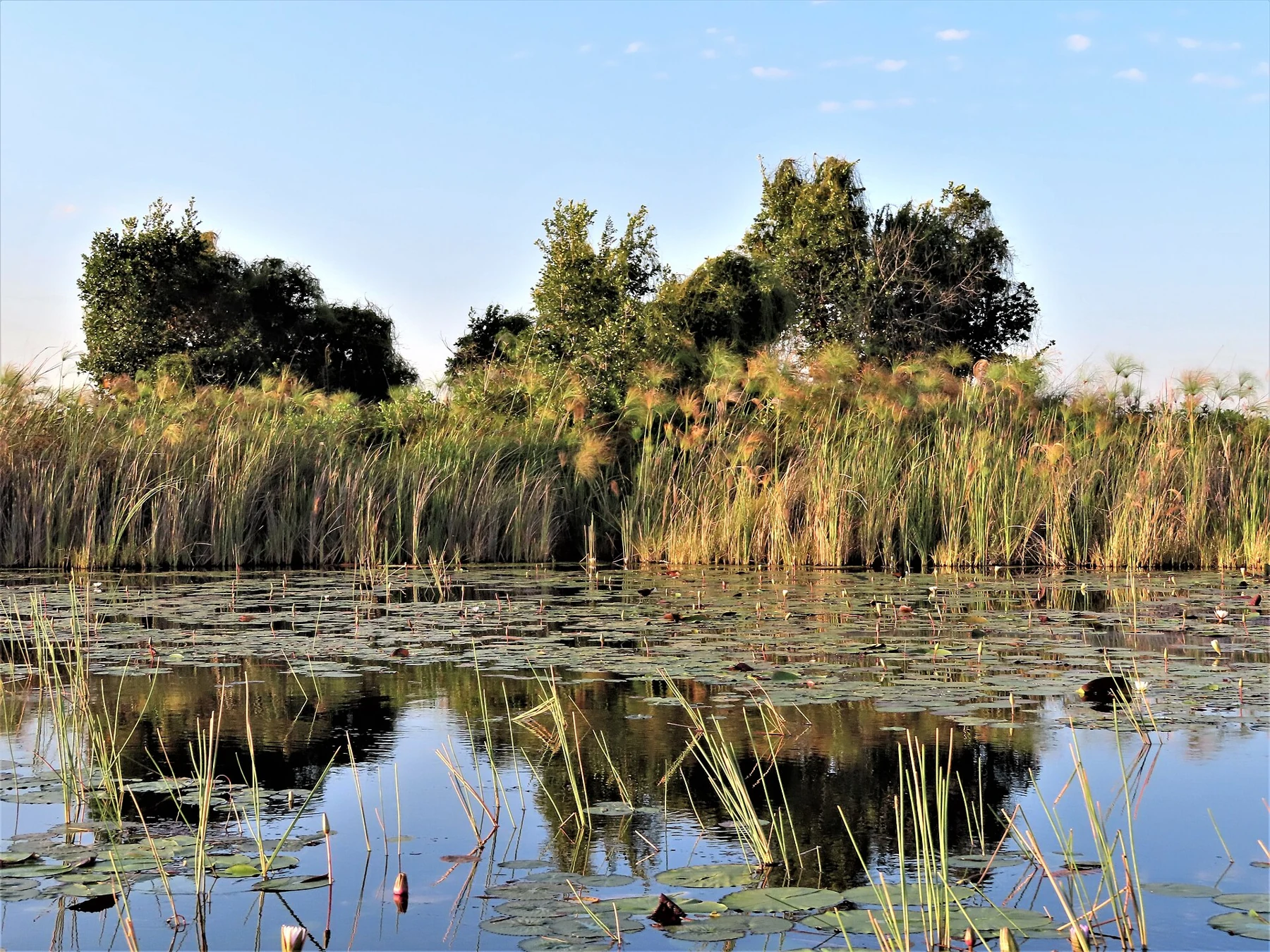
There is no single view that explains the Okavango Delta. A low seat near the water, a track through woodland and a view from the air each change what you notice. Begin by deciding how you want to observe the landscape, then check which activities a particular operator can actually offer.
A closer look at water level
The Botswana Tourism Organisation describes the mokoro as a canoe propelled with a pole through shallow water. Its handling is a skilled activity. Treat the person guiding the outing as a professional whose instructions and knowledge shape the experience.
Ask about the route, seating, boarding, duration, shade and practical arrangements before booking. Explain relevant access needs early. Do not assume that an activity is suitable for you because a general description presents it as essential. A different form of observation may be a better fit.
Compare what is actually included
| Activity | What to ask | Why it matters |
|---|---|---|
| Mokoro outing | Who guides it, where it begins and what boarding involves | The launch arrangements and the experience depend on the particular outing |
| Motorboat trip | Route, seating, group size and conditions for operation | A boat excursion is not interchangeable with a shallow-water canoe outing |
| Land excursion | Vehicle or walking format, access rules and guide arrangements | The method changes both the practical needs and the perspective |
A package title rarely answers these questions on its own. Read the detailed inclusions and ask which activities are planned, optional or dependent on conditions. Check whether transport to the starting point is included and how a change would be handled.
Give land its own place
The official Moremi overview describes waterways alongside grasslands and forests. Those terrestrial habitats deserve attention in their own right. Consider a land-based element because it interests you, rather than treating it only as a substitute when a water activity is unavailable.
Observation does not have to become a checklist. Time spent noticing reed edges, light, tracks or bird movement can be worthwhile without a particular sighting. Wildlife remains unpredictable, and a booking should not be judged as a guarantee that an animal will appear.
Make the conversation specific
Describe your interests in plain language. Ask whether there is time to pause, whether the group shares a particular focus and what equipment the operator supplies. Follow the guide’s directions around wildlife and changing conditions. Ask before photographing people or sharing their names and stories.
For context behind those practical questions, read Understanding the delta’s water. Then compare current outings on their complete details, not just a photograph or a short title.

The Best of Botswana & Vic Falls - By Walking Stick Safaris
The Best of Botswana Safari commences in Maun - the gateway to the world famous Okavango Delta. The tour covers Okavango Delta, Khwai, Savute and Chob...

Okavango Delta Day Trip
Embark on a journey into the heart of Botswana’s Okavango Delta with Safari Addicts, where adventure and tranquili...

Moremi Full Day Trip From Maun
A Moremi Day Trip gives you the chance to experience the diverse habitats of the world-renowned Moremi Game Reserve...

4 Day All Inclusive Tour to Boteti, Delta and Pans
Discover the wonders of Botswana with our 4-day Boteti, Delta & Pans Tour, featuring luxurious accommodations at Bot...