Planning time in the delta
Build a practical sequence around your base, transfers and interests. Keep the delta’s changing conditions separate from promises about a particular date.
A useful Okavango plan begins with a few decisions that fit together: where you will stay, how you will reach it and what you hope to understand while there. Start with those links rather than filling each day with a separate activity name.
Choose the focus before the sequence
Write down two or three interests in ordinary language. You might want to observe channels at water level, spend time in terrestrial habitat or understand the broader shape of the wetland. This gives an operator a clearer starting point than a list of images you want to reproduce.
The Botswana Tourism Organisation’s delta overview distinguishes the Panhandle, the delta and dryland areas. Treat that breadth as a reason to choose carefully, not an instruction to cover every setting in one visit.
Build around the actual connections
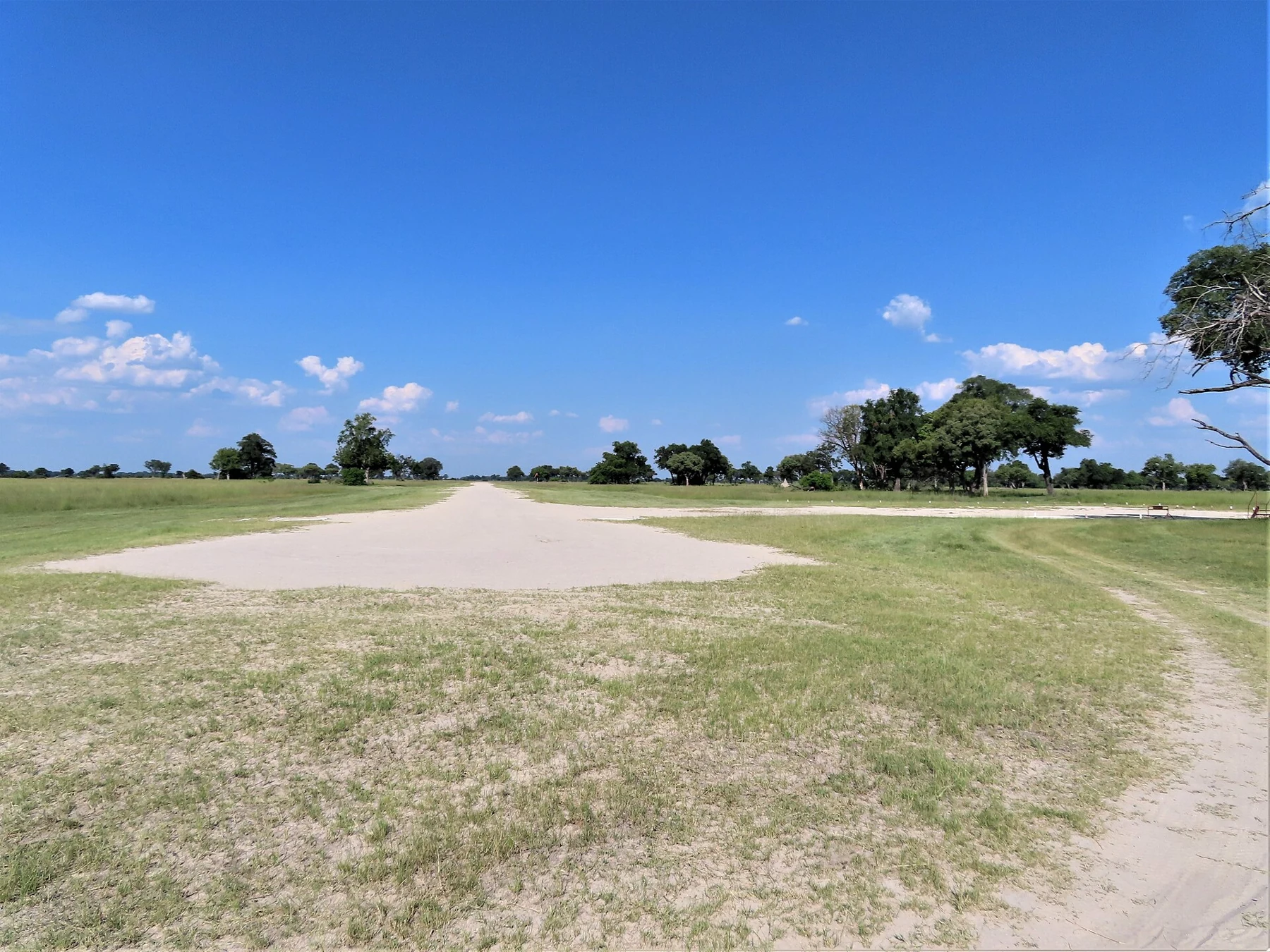
Confirm the departure and arrival points for each part of your trip. Ask who coordinates connections and which arrangements you need to make separately. Do not assume that two places described with the same regional name are close together or connected by the transport you have in mind.
Before booking a tightly timed onward journey, ask the responsible transport provider what margin is appropriate. Keep travel documents, relevant confirmations and contact details accessible. A scenic transfer remains a real transport arrangement with its own conditions.
Ask questions that produce useful answers
- Where will each outing take place, and how do we get to the starting point?
- Which activities are confirmed inclusions and which depend on conditions?
- What alternatives are offered if a planned activity cannot operate?
- What do we need to bring, and what is supplied?
- How are access needs, dietary requirements or other practical constraints handled?
Make these questions part of the comparison before payment. If an answer remains vague, ask for the relevant detail in the booking information. A clear description of responsibilities is more useful than an ambitious itinerary title.
Keep the landscape flexible
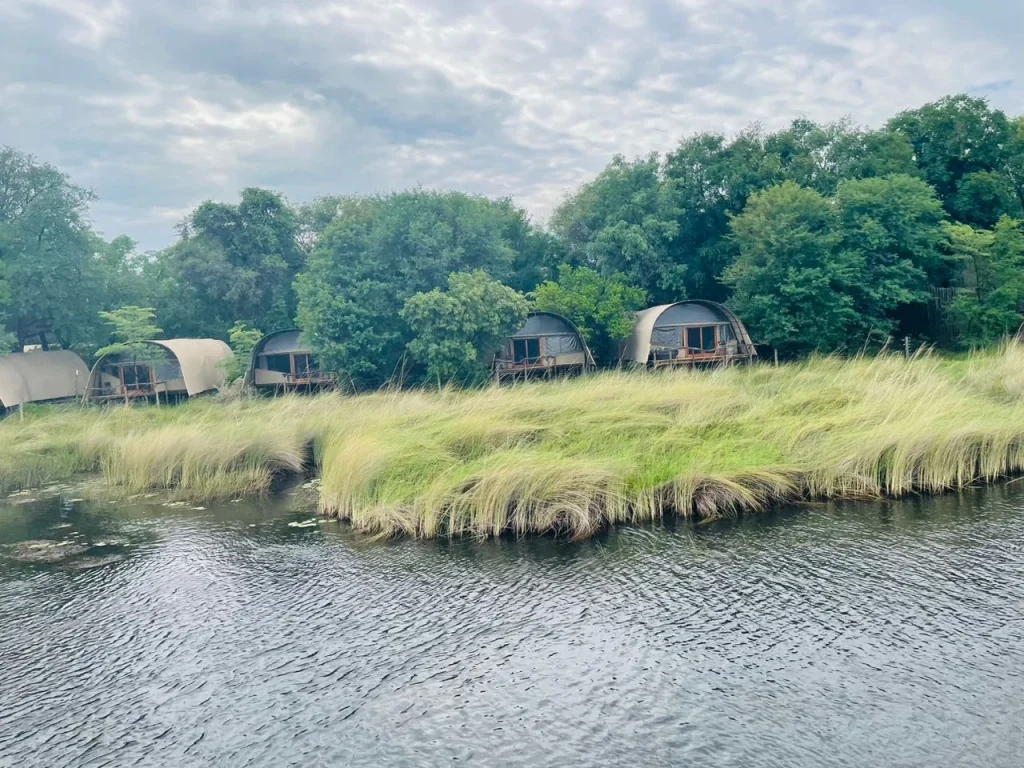
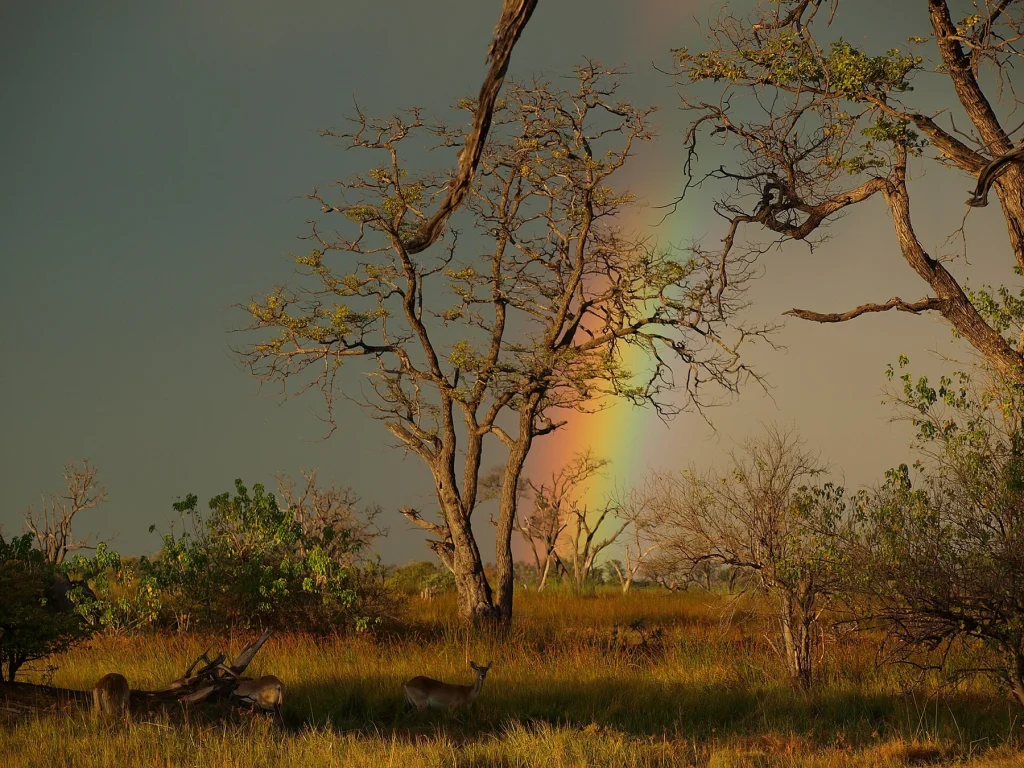
Read the water and seasons guide before treating a month as a promise. Your operator’s current knowledge of the specific area should inform the plan. Photos in this guide show dated conditions and do not establish the conditions of a future visit.
Leave some unallocated time within the rhythm offered by your base. A pause can be an opportunity to notice vegetation, light or bird activity without turning the day into another transfer. Follow local instructions and avoid creating pressure for a particular wildlife encounter.
Respect the people behind the experience
Guiding, poling, transport and hospitality are skilled work. Ask before recording someone’s image or story, and do not treat a community visit as an automatic part of access to the wetland. Agree the purpose and arrangements through the people hosting it.
Continue with choosing a base or comparing current outings. Keep the final plan specific enough to be workable and flexible enough to accommodate the actual place.